
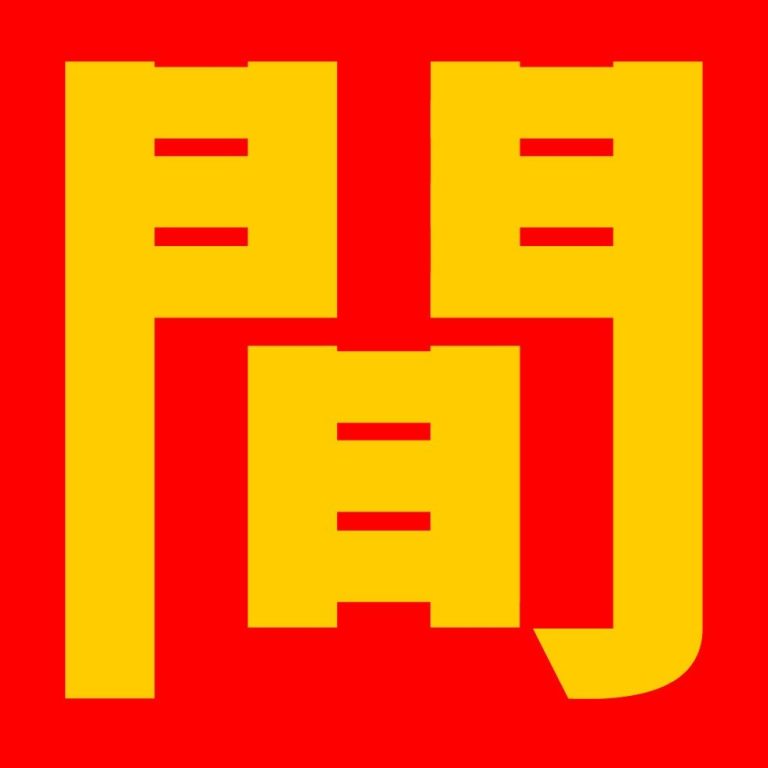
The Symbol for New Humanism.
Overview
New Humanism is the official social and political system of Nova Zion. Originating as a response to neoliberalism and laissez-faire multiculturalism, it aims to prevent cultural conflicts by enforcing strict secularism and allegiance to a central authority. While critics describe it as authoritarian or even fascistic, New Humanism frames itself as a pragmatic solution to ensure equality among all cultures under one governing system.

Origins
The movement was first conceived by Spanish writer Federico Lorango, who argued that unchecked cultural competition inevitably led to division and violence. His proposed remedy was a secular, authoritarian structure in which no culture could dominate another.
Principles
Under New Humanism, public society is treated as a “workplace environment.” Citizens are expected to follow professional standards of behavior at all times; violations result not in termination but in arrest, imprisonment, or deportation.
- Public Life: All symbols of religion, companies, organizations, political parties, or ideologies are banned from clothing, flags, or public display. Only the emblems of New Humanism or Nova Zion are permitted.
- Private Life: Citizens may practice personal culture, politics, or religion within their homes. However, expressions of racism, homophobia, sexism, or bigotry remain illegal, even in private.

Social Contract
New Humanism combines the social guarantees of the Left with the authoritarian restrictions of the Right. Citizens receive:
- Guaranteed housing
- Universal healthcare
- A basic income
In exchange, freedom of speech and personal rights are tightly limited. Any form of bigotry or cultural supremacy is criminalized and punishable by law.
Branches of New Humanism
Over time, four major schools of New Humanist thought emerged. The form practiced in Nova Zion places ultimate authority in an artificial intelligence known as Maestro, a meta-sentient program that interprets and enforces the principles of New Humanism.